
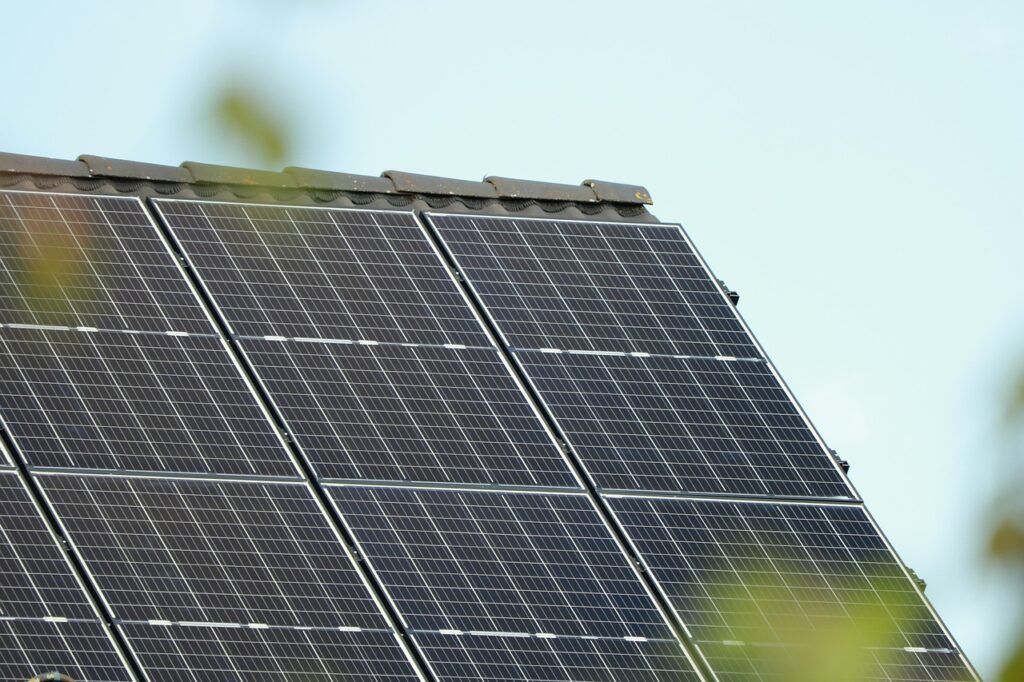
A year or so ago, I wrote a couple of posts about solar. In the first, I described my experience in adding roof-top solar panels. In the 2nd, I reviewed my experience investing in some solar businesses. I continue to be quite interested in solar. To me, it makes sense to be able to generate my own power.
My Decision To Go Solar
In the first post, I talked about some of the factors that caused me to invest in solar. I use the word investment because unlike buying a car, solar is an investment. I shell out some cash today for annual electricity savings. At the current rate, I’ll break even after 6.5 years and from then on, I get free electricity.
I spent $29,000, I got about $10,000 in tax rebates, so my cost was $19,000. I’m generating $3,000 worth of electricity per year so in a little over 6 years, I’ll have saved more than I paid.
I also like the idea of generating my own electricity.
Panels Alone Aren’t Enough
I have been pleased with the savings, and I generate quite a bit of electricity which I either use myself, or I sell back to the power company in a process called net metering.
I’m not, however, truly energy independent. When the power goes out, my panels shut-down. While it is the worst possible time for me to be down, the power company can’t have a bunch of home solar folks sending power back to the grid. They need the power off so they can work on the lines.
True independence comes from adding a battery. This allows us to generate and store power and also detach completely from the grid. Thankfully, the software takes care of this for us to maximize our power savings, and protect the guys in the bucket truck who are fixing the downed power lines.
So last October, I decided to add 2 batteries. And while I’m still getting a generous 30% tax incentive from Uncle Sam, I decided to add 5 more panels.
Coming Soon
Installation was completed in early June, and I have my inspection today. In a few weeks, I should be up and running. I’ll write another post once I’m live.
In this install, I also included critter-guard, a mesh system that goes around the panels to keep squirrels and other critters out. With the original system I had squirrels running up and down the gutter, driving the dog crazy, and building nests in the nice protected spot under the panels. They also snacked on the wires so I had some repairs. I highly recommend critter-guard.
Expectations
Expectations are high and there is much excitement brewing.
My total system will include 27 panels and 2 13.5kW batteries.
My daily power usage runs between 20 kWh and 36 kWh. In the winter, when I’m heating a couple of rooms with a mini-split and the hot tub takes more energy to keep the water at a balmy 101, I use a lot more energy each day. January and February I’m around 36 kWh per day.
The 27 kW that the batteries hold should last a day or more. If power goes out, I’ll shut down some of my power-hungry devices, but I’ll have heat, lights, and refrigeration. I should be able to go indefinitely, drawing battery power at night and recharging during the day.
Snow-covered panels or a few days with no sun could throw a monkey-wrench into the plan, but my electric service here is pretty good.
And the additional panels should cover my electricity usage 100% or more.
My expense for the panels, batteries and critter-guard is $36,000. I’ll get 30% back in taxes, so total out-of-pocket is about $25,000.
The batteries allow me to participate in a program where the electric company can draw power from me during peak usage. This should net me about $1,500 per year. The 5 new panels will pay for themselves in about 6.5 years, but the battery portion will take a bit longer to recoup because aside from the $1,500, I’m not really generating any savings.
Net Metering
One caveat to the savings. Under a net metering program, I take power from the grid, and when I produce more than I need, I send power back. My electric bill each month is the net of what I use v. what I produced. In the summer months, I produce more than I use and build credits. In the winter months, I use the credits first and then pay the going rate for electricity beyond what I produce.
There is no guarantee that this program will last forever. In fact, there is talk of eliminating it. I think a lot of the talk comes from the battery producers so that they can sell more batteries, but it is still something to consider.
If net metering ends, and we’re not paid for the power we send back, solar becomes less cost effective. In this case, a battery becomes a must. We’ll need to store the excess power we produce when the sun is up so that we can use it when the sun goes down.
Wrap-Up
I’ve been thrilled with the savings from the 22 panels I originally installed. They are under warranty for 25 years, so at a minimum, I’ll have 18.5 years of free electricity.
To view this as an investment, I invested $19,000. I’ve achieved $3,000/year in savings so far. Assuming electric rates don’t go up, my annual savings are $3,000. I’m guessing they’ll go up. But to be conservative, we’ll use $3,000.
And while I expect my panels to last longer than 25 years, I’ll stick with the warranty period.
So, $3,000 per year for 25 years means I’ll save $75,000 over the life of the panels. I spent $19,000. So my total return is $56,000, or 295%. Divide that by the 25 years, that’s almost 12% per year. That’s a pretty good return on investment.
So yes, solar is an investment.
My additional 5 panels are an investment and I expect a similar return.
The batteries will provide emergency back-up, will make my system more efficient, and will deliver some savings when the electric company uses some of my stored capacity during peak.
The batteries also are a mitigation to protect myself in case net metering goes away.
And Another Thing
As to my 2nd point about investing in solar companies. The post talks about the money I lost on Enphase and Solar Edge. More important than the money lost was the lesson learned, but I did lose money.
Both companies are down 20% or more today because the revised Senate version of the spending bill removes the 30% solar credit. This is bad news for people adding solar, and worse news for companies like Solar Edge that depend on those incentives to drive their sales.
I’ll continue to invest in solar panels, but not so much in solar companies
.