
Deep thoughts for a Sunday?
But important.
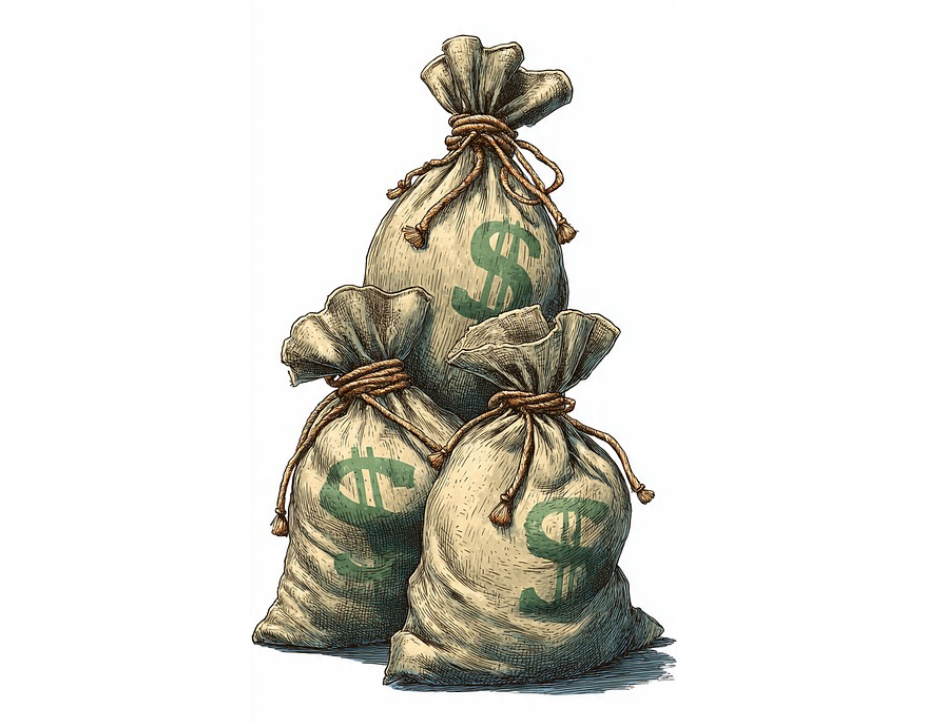
At what point can we stop worrying about money?
This is important because worrying is not good for us. And we only go around once so we should do our best to enjoy the ride. Unfortunately, lack of money can put quite a damper on things.
Savers
I come from a long line of savers. At 85 years old and with more money than she could ever spend in savings, I watched my mom frantically search through CVS for something she wanted that was exactly $2. She had a $2 coupon and didn’t want it to go to waste, but at the same time, she was unwilling to spend any money for an unplanned treat.
My mom took time off from her teaching job to raise her 3 boys. We lived on my Dad’s salary. Unfortunately, he also worked in public education. We were far from rich. Thanksgiving’s turkey dinner became turkey sandwiches, turkey casserole, and then finally turkey soup. That got us through to Christmas and then cycle repeats.
And while it’s unfortunate that we’re not taught about 401ks or interest rates or compounding when we’re young, we all got a lesson on saving from our parents.
What was yours?
Some of us become savers, some do not.
Whether we are or not goes a long way towards discovering how much is enough.
Wealth
Jeff Bezos has well over $200 billion. Jeff could spend over $27 million every day for the next 20 years and not run out of money.
That’s wealth.
But that’s beyond what most of us will ever achieve, so let’s redefine this for regular folks.
To me, I know I’ve achieved wealth when I no longer need to worry about money.
Money is important to pay for food, housing, to support our family, for entertainment, travel…everyone fills on their own blanks. It’s different for everyone.
At some point we have enough money set aside that we make the decision to retire. Or maybe we continue to work, but we’ve decided that we’ve been saving since we were 20, and our retirement account has grown to the point that we should be able to pay our bills for the remainder of our lives.
This is a complex and personal calculation, but many professionals use the 4% rule. We can take out 4% of our wealth in the year we retire and then continue to adjust that amount up for inflation each year. This should be able to last 20 years or more.
Jeff should be all set. How about you?
Worry
Whether we use the 4% rule or a more thorough analysis of expenses, expected growth rates, and net worth, at some point we (hopefully) become comfortable with our wealth and we can stop worrying about building that nest egg.
Party Like It’s 1999
This is not, however, permission to party like it’s 1999.
Unless we’re Jeff, we all probably need to become more conservative, not less.
For someone in my position – 62 and retired, I have fewer years to grow my wealth and no more paycheck. I’m comfortable with my wealth, but I’m also not buying a beach house.
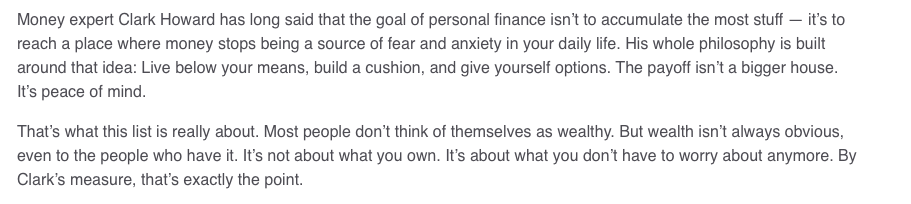
And before we go too much further, the reason I’m heading down this track on a nice (rainy) Sunday is that I read an article from Clark Howard – who’s my favorite cheapskate – that really rubbed me the wrong way.
Here it is: 10 Everyday Signs You’re Probably Wealthier Than You Think
I loved the start
And here’s the list.
1. You fill up your tank without flinching.
When gas prices spike, you notice — but you don’t change your behavior. No stopping at $30, no driving an extra mile to save four cents a gallon. You just fill it up and move on.
2. You don’t check your bank app on payday.
You’re not refreshing your account to make sure the deposit cleared. You know it’ll be there when you need it, and that’s enough.
3. The check engine light comes on and you just take it in.
You’re not driving around for two weeks hoping it’s nothing. You’re not Googling to see if it’s safe to ignore. You make an appointment, get it looked at, and deal with whatever it is.
4. You order what you want at a restaurant.
Not the second-cheapest thing. Not whatever looks like the best value. You scan the menu for what sounds good, and that’s the only filter you use.
5. Your dog is limping and you head straight to the vet.
You’re not waiting to see if it gets better on its own because you’re not sure what the visit will cost. The dog is hurt, so you go. Whatever comes next, you’ll handle it.
6. Someone mentions floor seats and you don’t do the math.
A friend texts about concert tickets — good ones. You don’t pull up your bank account before you respond. You just say you’re in. The same goes for a destination wedding, a golf trip, or a long weekend someone is planning. The question is whether you want to go, not whether you can.
7. Summer camp isn’t a source of stress.
You’re thinking about which camp is the right fit — not how you’re going to cover it. Whether it’s sleep-away camp, a travel sports team, or the cost of uniforms and gear, the logistics are the hard part. The money isn’t.
8. The AC goes out and you call someone that day.
You’re not toughing it out for a week while you figure out how to cover the repair. You pick up the phone, and the problem gets solved.
9. You don’t scan the menu right to left.
Prices before dishes — that’s a habit a lot of people pick up when money is tight and never fully shake. If you’re reading left to right, that’s something.
10. You get into a fender bender and your first thought is whether everyone is okay.
Not what it’s going to cost. Not whether your rates will go up. Just: Is everyone okay? That shift — from money being your first thought in a crisis to your second or third — might be the clearest sign of all.
Counterpoint
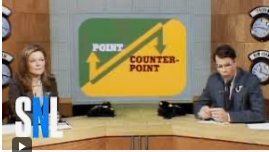
I feel like I should be responding “Jane you ignorant s…”
Last year, my buddy Bob called and invited me to a Bruins game. Not floor seats or even good seats, but they were $250 and I said “I’m in” without hesitation.
But, I always time my gas fill-ups around when I’m at the lowest price station near me. And I often wait til Tuesday to use the T-Mobile Tuesday 20 cents off per gallon.
My ice-maker stopped working recently. I spent a week troubleshooting and my wife and I debated going back to ice trays. I eventually fixed the ice-maker.
Rosco, my dog, has allergies. We’re trying a new food, some olive oil with dinner, and some supplements to avoid a trip to the vet.
I’ve been retired for 6 years. Most of my buddies are retired. I think we’re all at a place where we’ve saved throughout our careers and are fairly comfortable but we’re still careful with money.
Decisions
I treat all financial decisions as important.
Waiting til Tuesday to fill up is a financial decision.
But my wife and I also just booked an Alaskan cruise for 2027. This is clearly a splurge for us, but we put money aside for this and we’re going.
I looked at new golf clubs today and they’re over $1,000. That’s insanity. I’ll stick with the ones I have.
And Bob and I are getting together for a game in June. This time it’s the Woo Sox and tickets are $27.
Wrap Up
I’m all-in on Clark’s opening statement. We’ve achieved wealth when reach a place where money stops being a source of fear and anxiety in our daily life. This is a big deal.
But I’m a saver. I don’t ever see myself being at a place where I don’t at least do the math on a financial decision. Just because I could just call the repair guy doesn’t mean I shouldn’t take a look at it myself first.
And yes, I’ve spent a lot of time with Grok on car symptoms before making an appointment.
I love Clark. He’s the guy who showed me that I could change my shaving razor every 7 months instead of every 2 weeks. I read his stuff regularly and enjoy his articles and I learn a few things.
But I think he missed the mark today. I like how he describes not having to worry, but I believe that maintaining our wealth involves challenging all decisions on spending. And from my informal discussions over coffee, lunch and golf, I think most of my buddies are on the same page.